


Dr Lui Hock Foong
Gastroenterologist

Source: Shutterstock
 Add as a preferred source on Google
Gastroenterologist
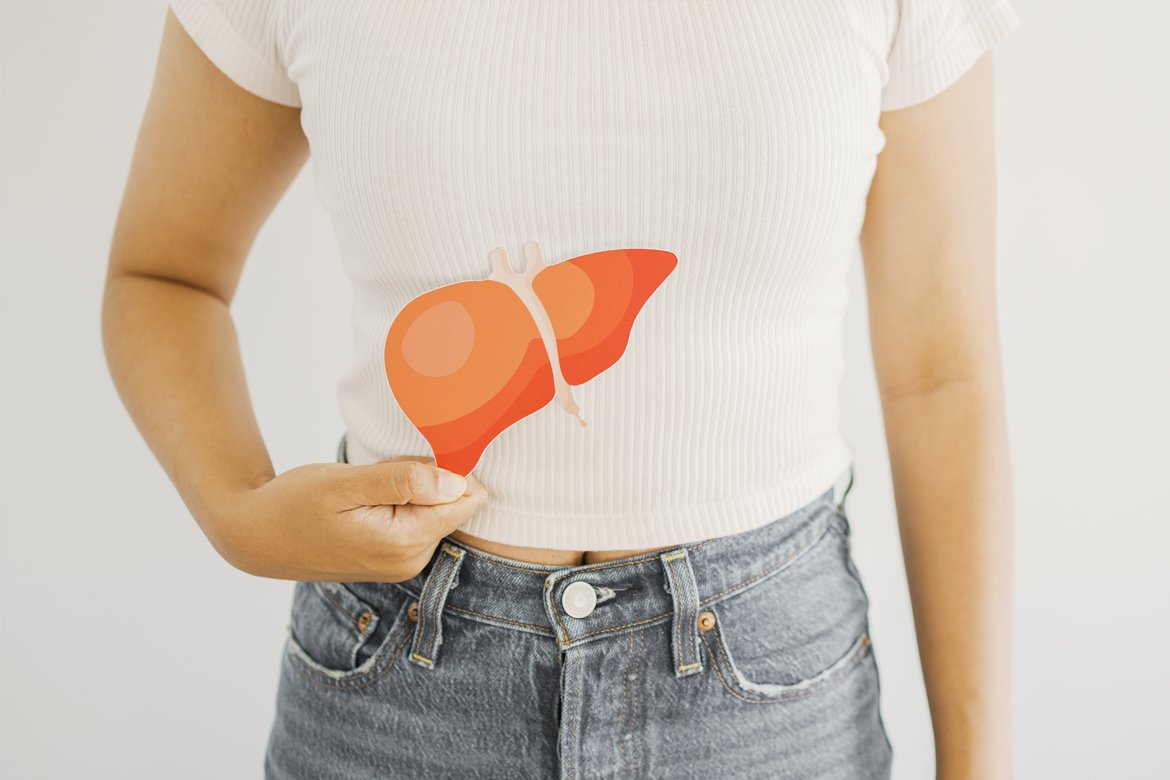
Your liver performs hundreds of important functions, from processing nutrients and storing energy to producing proteins and removing potentially harmful substances from the blood.
Yet liver disease does not always cause noticeable symptoms in its early stages. Fatty liver disease is one example: you may have excess fat in your liver without knowing it.
Here, Dr Lui Hock Foong, gastroenterologist at Gleneagles Hospital, addresses some common myths about fatty liver disease and explains when it may require closer attention.
Fatty liver disease, also known as steatotic liver disease (SLD), occurs when excess fat accumulates in the liver.
One of its most common forms is metabolic dysfunction-associated steatotic liver disease (MASLD), previously known as non-alcoholic fatty liver disease (NAFLD). MASLD is associated with metabolic risk factors such as excess weight, type 2 diabetes, high blood pressure and abnormal cholesterol or triglyceride levels.
Some people develop a more active form of the disease called metabolic dysfunction-associated steatohepatitis (MASH), previously known as non-alcoholic steatohepatitis (NASH). In MASH, fat accumulation is accompanied by liver inflammation and injury, which may eventually lead to liver scarring, or fibrosis.
Alcohol can also cause fat to accumulate and damage the liver. In some people, metabolic risk factors and alcohol consumption may both contribute to liver disease.
Fatty liver disease is increasingly common. Some studies suggest that up to 40% of people in Singapore may have it. (Source: Singhealth)
Because fatty liver disease often causes no noticeable symptoms in its early stages, some people may only discover it through blood tests or imaging performed during a health screening or for another reason.
Fact: Fatty liver is often mild, but some people can develop progressive liver damage.
Many people with fatty liver have no symptoms and may never develop advanced liver disease. However, in some people, persistent liver inflammation can result in fibrosis.
Over time, advanced fibrosis may progress to liver cirrhosis, in which healthy liver tissue is replaced by extensive scar tissue. Cirrhosis can affect the liver's ability to function and increases the risk of complications including liver failure and liver cancer.
This does not mean that everyone with fatty liver will develop cirrhosis or cancer. One of the important parts of assessing fatty liver is therefore determining not just whether fat is present, but whether there are signs of significant liver fibrosis.

Fatty liver disease often causes no symptoms, particularly in its early stages.
When symptoms do occur, they may include fatigue or discomfort in the upper right side of the abdomen. Symptoms such as yellowing of the skin or eyes, abdominal swelling, swelling of the legs, easy bruising or unexplained weight loss may indicate more advanced liver disease and should be medically assessed.
Because early fatty liver can be silent, it is sometimes discovered incidentally through abnormal liver blood tests or imaging performed for another reason.

Fact: Alcohol is only one possible cause of fat accumulation in the liver.
MASLD is closely associated with cardiometabolic health. Your likelihood of developing it may be higher if you are or have:
This means someone who drinks little or no alcohol can still develop fatty liver disease.
Conversely, alcohol can contribute to liver fat, inflammation and scarring. The amount and pattern of alcohol consumption both matter, and there is no amount of alcohol that can be considered completely risk-free for health.
If you already have fatty liver or another form of liver disease, speak to your doctor about whether you should avoid alcohol.

Fact: The amount of alcohol consumed matters more than whether it comes from beer, wine or spirits.
Different drinks contain different concentrations of alcohol, so serving size matters. A small serving of spirits may contain a similar amount of alcohol to a larger serving of beer or wine.
Regular heavy drinking and binge drinking can increase the risk of alcohol-related liver damage. Rather than judging a drink by its type, pay attention to the amount of alcohol you consume and how frequently you drink.
People who already have liver disease should discuss alcohol consumption with their doctor.
Fact: You can have fatty liver disease even if you feel completely well.
Fatty liver is frequently described as a “silent” condition because early disease often produces few or no symptoms.
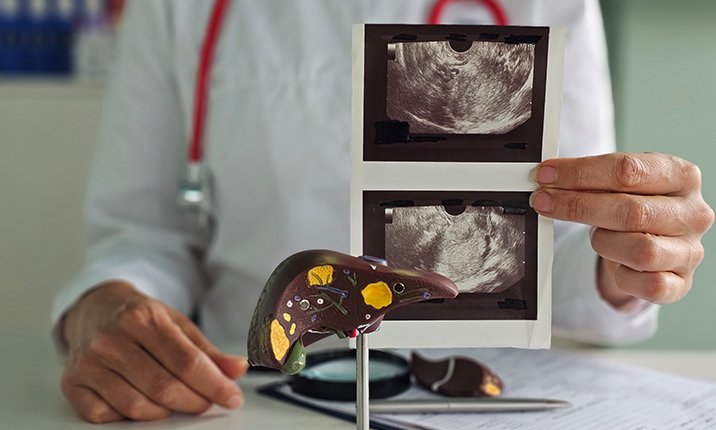
It may first be suspected following abnormal results from a liver function test or discovered on an imaging test such as an abdominal ultrasound. However, liver blood tests alone cannot reliably determine whether you have fatty liver or how much liver scarring is present.
Fact: Routine screening may not be necessary for everyone, but people with certain risk factors may benefit from assessment.
Because fatty liver disease often causes no symptoms, it can be tempting to think that everyone should be routinely screened for it. However, screening and further assessment are generally more relevant for people at higher risk of liver disease.
You may benefit from assessment if you have risk factors such as type 2 diabetes, obesity, metabolic syndrome or several cardiometabolic risk factors, or if fatty liver has already been detected on an imaging scan.
There is no single test that provides all the information needed to assess fatty liver disease. Your doctor may start by reviewing your medical history and risk factors and performing blood tests, including a liver function test.
However, normal liver enzyme levels do not necessarily rule out fatty liver disease. If fatty liver or liver fibrosis is suspected, your doctor may recommend further assessment, such as an ultrasound or non-invasive tests that estimate the likelihood of liver scarring.
One commonly used assessment is the Fibrosis-4 (FIB-4) score, which uses age and results from routine blood tests to help estimate the risk of advanced liver fibrosis. People who require further assessment may undergo tests that measure liver stiffness, such as transient elastography.
The purpose of assessment is therefore not only to determine whether there is fat in the liver, but also to identify people who may have liver fibrosis and are at greater risk of developing advanced liver disease.
Interested in screening for fatty liver? Learn more about our screening packages here.
Fact: Having excess weight increases your risk, but people who are not overweight can also develop fatty liver disease.
Body weight is only one part of the picture. Genetics, where the body stores fat, insulin resistance, cholesterol and triglyceride levels, diabetes, diet, physical activity and alcohol consumption can all influence liver health.
This means that being within a healthy weight range does not automatically rule out fatty liver disease, particularly if you have other metabolic risk factors or a family history of the condition.

Fact: Fatty liver symptoms are generally similar in women and men, but certain stages of life and health conditions can affect a woman's risk.
Fatty liver disease often causes no noticeable symptoms, regardless of sex. When symptoms do occur, they may include tiredness or discomfort in the upper right side of the abdomen. More advanced liver disease may cause symptoms such as yellowing of the skin or eyes, abdominal swelling or swelling in the legs.
While there are no specific “female fatty liver symptoms”, a woman's risk of developing metabolic dysfunction-associated steatotic liver disease (MASLD) can change over her lifetime.
Before menopause, women generally have a lower prevalence of MASLD than men. However, the risk increases after menopause, when hormonal and metabolic changes may contribute to greater fat accumulation in the liver and an increased risk of liver fibrosis. Women with polycystic ovary syndrome (PCOS) may also have a higher risk of MASLD.
Rather than relying on symptoms alone, women with metabolic risk factors such as type 2 diabetes, excess weight, high blood pressure or abnormal cholesterol or triglyceride levels should discuss their liver health with their doctor.

Fact: Gallstone disease and fatty liver disease are separate conditions, but research suggests they are associated with each other.
Gallstones form in the gallbladder, while fatty liver disease involves excess fat accumulating in the liver. Although they affect different organs, the two conditions share several risk factors, including excess weight, insulin resistance, type 2 diabetes, and abnormal cholesterol or triglyceride levels.
Research has found a bidirectional association between the conditions: people with gallstone disease appear more likely to develop fatty liver disease, while people with fatty liver disease may also have a higher likelihood of developing gallstones.
This does not necessarily mean that one condition directly causes the other. Their association may partly reflect the metabolic risk factors they have in common.
If gallstones or fatty liver are discovered during an abdominal ultrasound or health screening, your doctor can assess whether other metabolic or digestive health factors may need attention.
Fact: Liver fat and early-stage fatty liver disease can often improve substantially with appropriate lifestyle and metabolic risk management.
The liver has a remarkable ability to recover from injury. Reducing excess liver fat and addressing the factors driving fatty liver disease can therefore make an important difference, particularly before advanced scarring develops.
If you are overweight or obese, gradual and sustained weight loss may reduce liver fat. Greater weight loss may also help improve liver inflammation and fibrosis in some people.
Regular physical activity is beneficial even if you do not lose a large amount of weight. A balanced eating pattern rich in vegetables, fruit, whole grains, legumes, nuts and lean sources of protein can also support metabolic and liver health.
It is also important to manage related conditions such as type 2 diabetes, high cholesterol, high triglycerides and high blood pressure.
Advanced fibrosis and cirrhosis are more difficult to reverse, which is one reason identifying people at greater risk of progressive liver disease is important.
There has been significant advancement in the treatment of fatty liver disease. For a long time, lifestyle changes and management of metabolic conditions were the mainstay of managing fatty liver. However, the necessary weight targets are often unattainable in real life.
Today, there are new medications to reduce liver fat and improve liver fibrosis. The class of medications called GLP-1 receptor agonist is particularly promising. These medications can be considered if clinically appropriate and available.
Your gastroenterologist can assess the stage of your liver disease and advise whether lifestyle management, treatment of associated metabolic conditions, medication or additional monitoring is appropriate.

You can support your liver health by maintaining a healthy weight, exercising regularly, eating a balanced diet, limiting foods and drinks high in added sugars and saturated fat, managing diabetes, blood pressure and cholesterol, and reducing or avoiding alcohol.
Avoid crash diets or very rapid weight loss. Sustainable changes that improve your overall metabolic health are generally more useful than extreme diets marketed specifically as “liver detoxes”.
You should also tell your doctor about medicines, supplements or traditional remedies you take, as some substances can affect the liver.
Consider speaking to a doctor if a health screening or scan shows fatty liver, your liver enzymes are persistently abnormal, or you have risk factors such as type 2 diabetes, obesity, high cholesterol or metabolic syndrome.
A medical assessment can help determine whether fat is present in the liver, investigate other possible causes of liver disease and, importantly, assess your risk of liver fibrosis.
Seek prompt medical attention if you develop symptoms that may indicate significant liver dysfunction, such as yellowing of the skin or eyes, marked abdominal swelling, vomiting blood, black stools, confusion or unusual drowsiness.
If you are concerned about fatty liver disease or your liver health, speak to a gastroenterologist about whether further assessment is appropriate.
Digestive symptoms can affect your comfort and confidence. At Gleneagles Hospital Singapore, we take a multidisciplinary and holistic approach to digestive care, helping you feel more in control of your symptoms, and improve your overall quality of life.
Learn more
Dr Desmond Wai explains how drinking too much alcohol can cause serious liver damage.

The problem with heart disease – aside from the fact that it’s heart disease – is that, without health screenings, it’s unlikely you will know there is anything wrong until it is too late.

Eight myths you might believe about breast cancer screening, and the truth about it.

To ease your fears, we give you the rundown on what to expect at a mammogram and tips on how you can get through it comfortably.

Inflammatory bowel disease (IBD) and irritable bowel syndrome (IBS) can be difficult to differentiate. Dr Kelvin Thia explains.

Dr Dennis Koh, general surgeon at Mount Elizabeth Hospital, explains the importance of screening in preventing colorectal cancer.

Our breast surgeon explains how to understand your risk, warning signs to know, why screening matters even when you feel well, and what surgery can look like today.

As knee osteoarthritis progresses, everyday activities can become more difficult. Our pain specialist and orthopaedic surgeon explain the treatment options available and how to find the right approach for you.

Dr Edwin Chng from Parkway Shenton explains why weight loss can slow down during medical weight management, and when it may be time to review your treatment plan.

Prostate cancer is common, often silent, and still diagnosed too late in Singapore. Urologist Dr Tan Yung Khan on what every man should know about screening, diagnosis, and treatment.

We answer common questions about haze, and how this can affect common chronic lung conditions such as asthma and chronic obstructive pulmonary disease (COPD), and 8 simple tips to protect ourselves against it.

Our neurosurgeon, Dr Vincent Ng, explains the factors specialists consider when deciding whether a brain aneurysm should be monitored or treated, and what the different treatment options involve.
Parkway East Hospital is part of IHH Healthcare, one of the world’s largest integrated healthcare networks.

Download the MyHealth360 app to access an array of medical services conveniently.


Get trusted medical advice from our specialists, dietitians and physiotherapists directly in your inbox.
Subscribe