


Dr Ling Zhixing Marcus
Orthopaedic Surgeon


Source: Shutterstock
 Add as a preferred source on Google
Orthopaedic Surgeon
Back pain isn’t a disease — it’s a symptom. It can arise from:
Most back pain is mechanical (related to muscles or spine) in nature and which heal in a couple of weeks but certain symptoms may indicate an urgent medical problem.

Back pain can feel different depending on the underlying cause. The sensation and severity vary from person to person, but common symptoms include:
Mild back pain often improves on its own within a few days to weeks. However, if symptoms persist for more than 3 months, the condition is generally considered chronic back pain.

Anyone can experience back pain, but some groups are more vulnerable:

Lifting heavy objects, sudden movements, or prolonged poor posture can strain your muscles. This usually causes a dull ache or stiffness that improves within days or weeks.
Your spinal discs act as cushions between vertebrae. A disc can bulge or rupture, pressing on nerves and cause:
Most disc injuries improve with physiotherapy and medication, but surgery may be recommended if pain persists beyond 6 weeks or if there’s nerve compression.
Fractures can occur after trauma or in osteoporotic bones. Warning signs include:
Seek immediate medical care at the urgent care centre if these occur.

Red flags include loss of bladder/bowel control, severe numbness, night pain, or unexplained weight loss. These require urgent evaluation.
Back pain can also come from organs:
A thorough assessment by a specialist is essential for accurate diagnosis.
Specialists typically conduct:
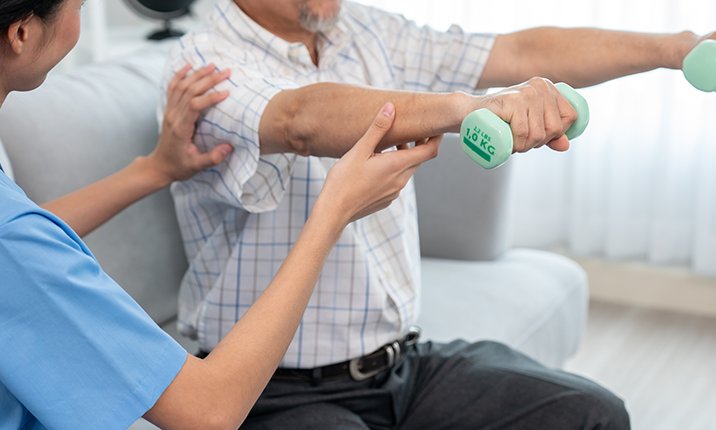
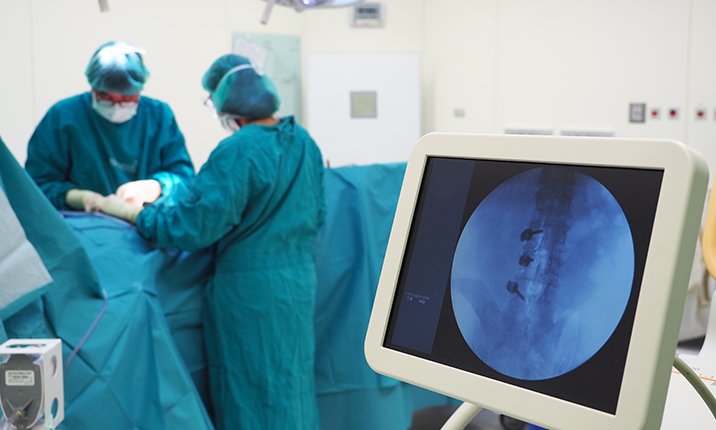
For severe, persistent, or treatment-resistant back pain, a spine specialist may recommend surgical intervention, such as:

Evidence-based approaches can complement medical care:
Always consult your doctor before trying new therapies to ensure safety.

Seek professional advice if:
Book an appointment with an orthopaedic spine specialist to get personalised assessment and treatment.
A: Back pain can arise from strained muscles, spinal issues like slipped discs, joint degeneration, or nearby organs such as kidneys or ovaries. Lifestyle factors like prolonged sitting, poor posture, or lifting heavy objects also contribute.
A: Up to 80% of adults in Singapore experience back pain at least once in their lifetime. Office workers and older adults are particularly at risk.
A: Seek immediate medical attention if you experience:
A: Diagnosis usually involves a medical history review, physical examination, and sometimes imaging like X-rays or MRI. Blood and urine tests may also be used to rule out infections or organ-related causes.
A: Treatments include:
A: Yes. Preventive steps include:
A: Consult a specialist if your pain persists beyond 6 weeks, you notice neurological symptoms, or if pain interferes with daily life. Early assessment can prevent chronic problems and provide more treatment options.
A: Most evidence-based therapies like physiotherapy, acupuncture, yoga, and massage are generally safe when done under professional guidance. Always consult your doctor first to rule out serious conditions.
A: Minimally invasive procedures often allow patients to return to daily activities within weeks, while traditional surgery may require several months of recovery. Your specialist will tailor the plan based on your condition.

This is a phenomenon that has been rearing its head much more in recent years. Athlete or not, it is important to understand its possible causes.

Getting a new knee may have sounded like science fiction a few decades ago, but a total knee replacement is now a relatively common procedure.

Not everyone who participates in sports knows about the risks involved – until they get hurt. Here are the top 5 serious sports injuries and how they can be treated.

Complications arising from diabetes and Peripheral Arterial Disease often result in patients losing a limb, but it does not have to be that way.

It’s not unusual to hear of professional athletes suffering a heart attack at the peak of their game. Cardiologists can provide expert advice to athletes.

Professional athletes collect a score of injuries during their career. Singapore Slinger Wong Wei Long shares how he minimises sports injuries on the job.

Our breast surgeon explains how to understand your risk, warning signs to know, why screening matters even when you feel well, and what surgery can look like today.

As knee osteoarthritis progresses, everyday activities can become more difficult. Our pain specialist and orthopaedic surgeon explain the treatment options available and how to find the right approach for you.

Dr Edwin Chng from Parkway Shenton explains why weight loss can slow down during medical weight management, and when it may be time to review your treatment plan.

Prostate cancer is common, often silent, and still diagnosed too late in Singapore. Urologist Dr Tan Yung Khan on what every man should know about screening, diagnosis, and treatment.

We answer common questions about haze, and how this can affect common chronic lung conditions such as asthma and chronic obstructive pulmonary disease (COPD), and 8 simple tips to protect ourselves against it.

Our neurosurgeon, Dr Vincent Ng, explains the factors specialists consider when deciding whether a brain aneurysm should be monitored or treated, and what the different treatment options involve.
Parkway East Hospital is part of IHH Healthcare, one of the world’s largest integrated healthcare networks.

Download the MyHealth360 app to access an array of medical services conveniently.


Get trusted medical advice from our specialists, dietitians and physiotherapists directly in your inbox.
Subscribe