-
-
Featured Care Areas



Source: Shutterstock
A Beginner’s Guide to Health Screenings
Last updated: Wednesday, November 15, 2023 | 6 min reading time
 Add as a preferred source on Google
With a myriad of health packages and health screening options available today, it can be confusing deciding which ones to go for. Read on to find out which types of health screening are most suitable for you.
What are health screenings?
Health screening tests help to detect potential diseases or medical conditions in people. Typically, this process includes a consultation and physical examinations conducted by a healthcare provider, followed by laboratory work, radiological studies, and other diagnostic tests.
Health screening packages generally focus on common health concerns like obesity, heart disease, diabetes, and kidney disease. These screenings usually include blood, urine, and stool samples, as well as imaging tests such as X-rays and ultrasounds. Invasive tests, such as biopsies, are not performed as a routine procedure but only when deemed necessary.
To understand more about what conditions to screen for, speak with your doctor to discuss your options as different screening centres would offer different packages.
Why should I go for a health screening?
It is important to go for health screenings as they can help to detect diseases and medical conditions at an early stage, even if you feel perfectly well, as not all diseases show symptoms.
Diseases such as diabetes, high blood pressure and high blood cholesterol are often referred to as 'silent killers' because they may not exhibit symptoms in their early stages. Similarly, colon, cervical and breast cancer can start as pre-cancerous lesions, often without noticeable symptoms in patients. By the time symptoms develop, the cancer may have progressed to an advanced stage.
Early detection of diseases through timely health screening allows for early intervention and prevention of complications without relying on the presence of symptoms.
What are the types of health screening available?
Basic Health Screening

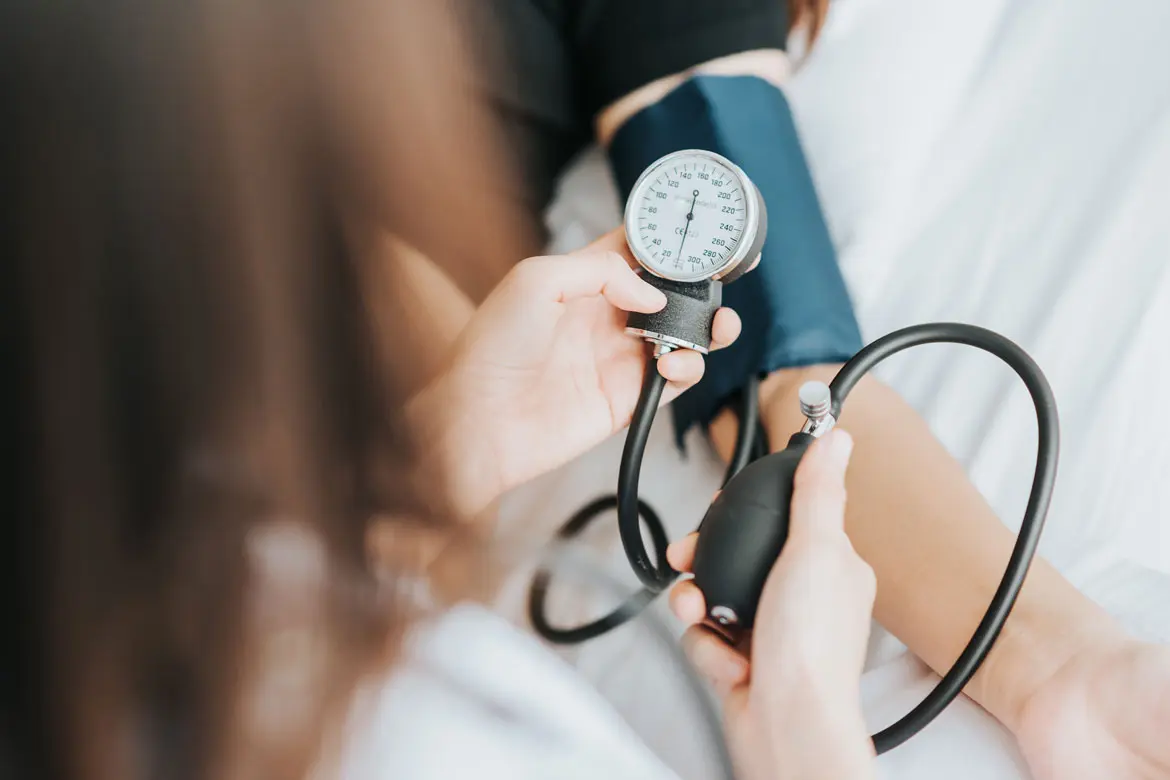
Basic health screenings generally include screening for obesity, diabetes, high blood pressure and high cholesterol. You should start monitoring your body mass index, waist circumference and blood pressure from 18 years old, and your blood glucose and cholesterol levels from 40 years old. If you have a family history of these medical conditions, you should begin screening at an earlier age.
A basic health screening usually involves a physical examination by your doctor, bio-physical measurements (height, weight, body mass index, visual acuity, colour vision), and blood and urine investigations.
Today, patients screening for diabetes and high blood cholesterol no longer need to fast before drawing blood, as the laboratory will check for Hba1c and non-fasting cholesterol levels as indicators for diabetes and cholesterol respectively.
Blood tests will check your:
- Blood count, to look for anaemia, abnormal immune cells and abnormal clotting factors
- Sugar levels, to check for diabetes
- Cholesterol levels, to see if you have high cholesterol
- Kidney function
- Liver function
The urine test will check for:
- Signs of infection
- Sugar levels in the urine, which may be a sign of diabetes
- Protein in the urine, which may be an early sign of kidney disease
- Blood in the urine, which indicate the presence of an infection, tumour, kidney stones and other kidney diseases
In some centres, you may be offered the option to take a chest X-ray to look for abnormalities of the lung or an electrocardiogram (ECG) which is a screening test for heart diseases. These basic packages usually take between 30 minutes and 2 hours to complete.
Younger patients, especially those with no past medical history and no significant family history of hereditary illnesses, can opt for a basic package once a year, or once every 3 years.
Comprehensive Health Screening
Comprehensive health screenings consist of further health tests in addition to a basic health screening. This is usually recommended based on a doctor’s assessment that a patient has risk factors and lifestyle habits that increase their risk for developing a disease. These factors would include the patient’s family history of chronic or hereditary diseases, occupation and whether they smoke. Patients will be informed about the benefits and risks associated with these additional tests.
In a comprehensive health screening, the blood sample would also check for:
- Thyroid hormone levels
- Tumour markers
- Sexually transmitted diseases
- Hepatitis A and B
- ABO blood group
You may also be offered radiological tests such as:
- ultrasound of the abdomen to screen for conditions of the liver, gall bladder and kidneys
- ultrasound of the pelvis (for women) to screen for conditions of the womb and ovaries
- ultrasound of the thyroid to screen for conditions of the thyroid gland
Some patients may also be asked to provide a stool sample to check for the presence of blood which may be a sign of haemorrhoids, commonly known as piles, or colon cancer.
Many other tests may be offered in different centres and the duration would depend on the number of tests done, which can take from 1 hour to a whole day to complete.
Specific Health Screening
In addition to basic and comprehensive health screenings, specific tests, such as cancer screenings tailored to detect certain types of cancer, may also be beneficial. Nowadays, cancer screening has become increasingly important. Individuals with high risk for colon and breast cancers, such as individuals with a strong family history of these cancers, should undergo screening at an earlier age.
Early detection has been proven to be able to save lives with strong evidence supporting the screening of colon, breast and cervical cancers, which are highly treatable when detected early.
Are tumour markers helpful for cancer detection?
At present, there are 2 tumour markers which can be used to screen for liver and prostate cancers.
The Alpha-Fetoprotein (AFP) tumour marker test is recommended to screen for liver cancer in hepatitis B carriers or individuals with liver cirrhosis, a condition in which the liver does not function properly due to long-term damage.
For prostate cancer, the Prostate-Specific Antigen (PSA) test is a useful screening tool for men aged 50 - 70 years old.
Other tumour markers have a limited role in the detection of cancers because they are not specific in diagnosing cancers and there are more suitable cancer-screening tests available.
What are the health screening packages available at Parkway Shenton?
Screen for Life (SFL)
Parkway Shenton offers the Screen For Life (SFL) programme, a national subsidised health screening programme for Singaporeans. Eligible Singaporeans can enjoy subsidies for chronic diseases namely obesity, diabetes, high blood pressure, and high blood cholesterol as well as colon cancer, breast cancer and cervical cancer screenings. Your eligibility for tests will depend on your age and the cost will vary according to the population segment that you occupy.
- Senior citizens holding a Pioneer Generation Card will not need to pay for the above tests as they are fully subsidised.
- Those who hold a Merdeka Generation Card, Blue or Orange CHAS card will only pay $2 for eligible tests.
- Other eligible Singaporeans will pay only $5.
The fee covers the cost of the tests and doctor consultation for your visit, and the first follow-up consultation, if required.
Basic Health Screening (BHS)
Our basic health screenings tests offer a general evaluation of your health and well-being. They are designed to accommodate various needs and budgets, conveniently conducted within our GP clinics. Starting from $110, these screenings are recommended if you're generally in good health and want a simple overview of your health status.
Executive Health Screening (EHS)
At Parkway Shenton, you can opt for various Executive Health Screening packages at our EHS centres, set up to offer greater convenience and time-saving. Starting from $511, these packages are tailored to your age, gender, medical history, risk factors and health concerns.
You will be given a designated appointment to reduce waiting time, and all the necessary services, from the physical examination by the doctor to blood and radiological investigations, are done in one centre, saving you time from making separate trips to other facilities to complete your X-ray or ultrasound tests. Furthermore, should your screening be performed at an IHH Healthcare Singapore hospital, you may be referred to a specialist at the same location in the event of the need for additional assessment.
Cancer screening
Early detection of cancer has been proven to save lives and there is strong evidence to support screening for cancers of the colon, breast and cervix which are highly treatable when detected early.
As a guide:
- Breast cancer screening should be done regularly for women aged 50 and above
- Cervical cancer screening using Pap smear and HPV DNA tests is advised for all women 25 and above who have had sexual intercourse
- Colon cancer screening, either by checking for blood in the stool or through a colonoscopy, should be done for all individuals aged 50 and above.
However, individuals at high risk, such as those with a family history of these cancers, should undergo screening at an earlier age. Costs for these tests will vary.
Which health screening tests should I go for?

You are strongly encouraged to consider the screening tests listed in table A. If you have certain risk factors, you may wish to consider a more comprehensive health screening with the specific tests listed in table B. Our doctors will be able to discuss with you and guide you towards making the best decision for your health screening.
Table A: Age-specific health screening tests recommended for the general population
Recommended for individuals aged 18 years and above
| Disease | Screening test | Frequency |
|---|---|---|
| Obesity | Body Mass Index (BMI) Waist circumference |
Once a year |
| Hypertension (high blood pressure) | Blood pressure measurement | Once every 2 years or more frequently if recommended by doctor |
Recommended for individuals aged 40 years and above
| Disease | Screening test | Frequency |
|---|---|---|
| Diabetes Mellitus | Fasting blood glucose or HbaA1c | Once every 3 years or more frequently if recommended by doctor |
| Hyperlipidemia (high blood cholesterol) | Fasting or non-fasting cholesterol profile | Once every 3 years or more frequently if recommended by doctor |
Recommended for individuals aged 50 years and above
| Disease | Screening test | Frequency |
|---|---|---|
| Colorectal cancer | Occult Blood Immunological (Stool Test for blood) | Once a year |
| Colorectal cancer | Colonoscopy | Once every 10 years |
Recommended for women aged 25 – 29 years, who have had sexual intercourse
| Disease | Screening test | Frequency |
|---|---|---|
| Cervical cancer | Pap Smear | Once every 3 years |
Recommended for women aged 30 years and above, who have had sexual intercourse
| Disease | Screening test | Frequency |
|---|---|---|
| Cervical cancer | Human Papillomavirus (HPV) DNA Test | Once every 5 years |
Recommended for women aged 50 – 69 years
| Disease | Screening test | Frequency |
|---|---|---|
| Breast cancer | Mammogram | Once every 2 years |
Table B: Health screening tests that may benefit patients with specific risk factors.
| Disease | Screening test |
|---|---|
| Cardiovascular system | |
| Coronary Heart Disease | Apolipoprotein A and B hsCRP Electrocardiography (ECG) Treadmill Stress Test CT Coronary Calcium Score |
| Abdominal Aortic Aneurysm | Abdominal Ultrasonography |
| Peripheral Vascular Disease | Ankle Brachial Index |
| Endocrinology | |
| Thyroid Disorder | Thyroid Function Test |
| Gastrointestinal system | |
| Colorectal Cancer | Occult blood immunological (OBI) – DNA test CT Colonography |
| Gastric Cancer | Esophageal-Gastro-Duodenoscopy |
| Liver Cancer | Alpha-Fetoprotein Ultrasound Hepatobiliary System |
| Genitourinary system | |
| Diabetic Albuminuria / Nephropathy | Urine Microalbumin / Creatinine ratio |
| Kidney Disorder / Dysfunction | Kidney Function Test Urine Analysis |
| Prostate Cancer | Prostate-Specific Antigen (PSA) |
| Hematological (blood) system | |
| Anaemia (Iron-deficiency) | Full Blood Count |
| Thalassemia | Thalassemia Screen |
| Infectious disease | |
| Chlamydia and Gonorrhoea | Urine or Cervical / Urethral Swab for PCR |
| Hepatitis B Infection | Hepatitis B Screen |
| Hepatitis C Infection | Hepatitis C Screen |
| HIV | HIV Screen |
| Intestinal Parasitic Infection | Stool for Ova, Cyst and Parasites |
| Rubella | Rubella Serology |
| Syphilis | Syphilis Enzyme Immunoassay (EIA) Treponema Pallidum Particle Agglutination / Treponema Pallidum Hemagglutination |
| Tuberculosis | Chest X-ray Interferon-Gamma Release Assay Tuberculin Skin Test |
| Musculoskeletal system | |
| Osteoporosis | Bone Mineral Densitometry (BMD) Scan |
| Spastic Hip Displacement | Pelvis X-ray (Antero-posterior) |
| Neurological System | |
| Cerebral Aneurysm | MRI / MRA Brain |
| Obstetric and Gynaecological system | |
| Breast Cancer | MRI Breast |
| Endometrial Cancer | Ultrasound Pelvis |
| Ovarian Cancer | Transvaginal Ultrasound |
| Antenatal and Fetal Abnormalities (Congenital) | Antenatal and pregnancy screening tests |
| Down syndrome | Down syndrome screening |
| "Maternal colonization with GBS in pregnancy | Vaginal and Rectal swab |
| Ophthalmology (Eye) | |
| Retinopathy of Prematurity | ROP Screen |
| Diabetic Retinopathy | Retinal Fundal Photography |
| Otorhinolaryngology (Ear Nose and Throat) System | |
| Hearing Loss in Adults | Audiometry |
| Nasopharyngeal Carcinoma | Nasopharyngoscopy Tumor Marker for NPC (EBV-EA-EBNA-1) |
| Respiratory system | |
| Lung Cancer | Low-dose CT Screening |
Find out more about health screening packages to choose the right one for you!
Need to book a health screening? You can use MyHealth360 to check real-time availability, book an appointment and receive confirmation on your health screening appointments. Learn more about the app or download it on the App Store or via Google Play.
Prioritise Your Health with Parkway Plus
Staying well starts with access to the right care. Whether it’s health screenings, fitness training, or healthy meal plans, preventive care helps you stay ahead of potential health issues.
Enjoy member rates on a wide range of medical services and wellness offerings at Parkway Shenton, Parkway MediCentre, our sister hospitals within the IHH Healthcare Singapore network, and partner brands.
Simply download the MyHealth360 app and flash your Parkway Plus card at participating clinics and partners.

The ABCs of Health Screening. (2020, November 23). Retrieved December 24, 2020, from https://www.healthhub.sg/live-healthy/403/abcs_of_health_screening
Report of the Screening Test Review Committee (Rep.). (2019, March). Retrieved December 24, 2020, from Academy of Medicine, Singapore website: https://www.ams.edu.sg/view-pdf.aspx?file=media%5c4817_fi_59.pdf&ofile=STRC+Report+March+2019.pdf
Report of the Screening Test Review Committee (Rep.). (2019, March). Retrieved December 24, 2020, from Academy of Medicine, Singapore website: https://www.ams.edu.sg/view-pdf.aspx?file=media%5c4817_fi_59.pdf&ofile=STRC+Report+March+2019.pdf
Related Articles
View all
Heart Screening Checklist for a Healthy Heart
The problem with heart disease – aside from the fact that it’s heart disease – is that, without health screenings, it’s unlikely you will know there is anything wrong until it is too late.

Myth busted! 8 Common Myths About Breast Screening
Eight myths you might believe about breast cancer screening, and the truth about it.

Beating Your Mammogram Fears: What to Expect & How to Make It a Breeze
To ease your fears, we give you the rundown on what to expect at a mammogram and tips on how you can get through it comfortably.

3 Steps to Prevent Colorectal Cancer
Dr Dennis Koh, general surgeon at Mount Elizabeth Hospital, explains the importance of screening in preventing colorectal cancer.
Advances in Prostate Cancer Screening and Detection
Prostate cancer is one of the most common cancers in men but it is a difficult cancer to diagnose. Dr Eugene Ong and Dr Ng Chee Kwan talks about how advances in imaging technology benefits patients at risk of prostate cancer.

7 Common Chronic Diseases You Need To Get Screened For
Dr Edwin Chng, general practitioner, tells us about 7 common chronic conditions and how to avoid them with regular screening.
Latest Articles
View All
Ask our Doctor: What are Breast Cancer Risks and Early Signs?
Our breast surgeon explains how to understand your risk, warning signs to know, why screening matters even when you feel well, and what surgery can look like today.

Knee Osteoarthritis: What To Do When Knee Pain Gets Worse?
As knee osteoarthritis progresses, everyday activities can become more difficult. Our pain specialist and orthopaedic surgeon explain the treatment options available and how to find the right approach for you.

Weight Loss Has Plateaued. Does Your Treatment Need to Change?
Dr Edwin Chng from Parkway Shenton explains why weight loss can slow down during medical weight management, and when it may be time to review your treatment plan.

Ask Our Doctor: How Is Prostate Cancer Detected and Diagnosed?
Prostate cancer is common, often silent, and still diagnosed too late in Singapore. Urologist Dr Tan Yung Khan on what every man should know about screening, diagnosis, and treatment.

A Guide to Haze Season in Singapore: 8 Tips to Stay Healthy
We answer common questions about haze, and how this can affect common chronic lung conditions such as asthma and chronic obstructive pulmonary disease (COPD), and 8 simple tips to protect ourselves against it.

Diagnosed With a Brain Aneurysm? Here's What Happens Next
Our neurosurgeon, Dr Vincent Ng, explains the factors specialists consider when deciding whether a brain aneurysm should be monitored or treated, and what the different treatment options involve.