


Dr Kua Jieli
Cardiologist

 Add as a preferred source on Google
Cardiologist

Dietitian
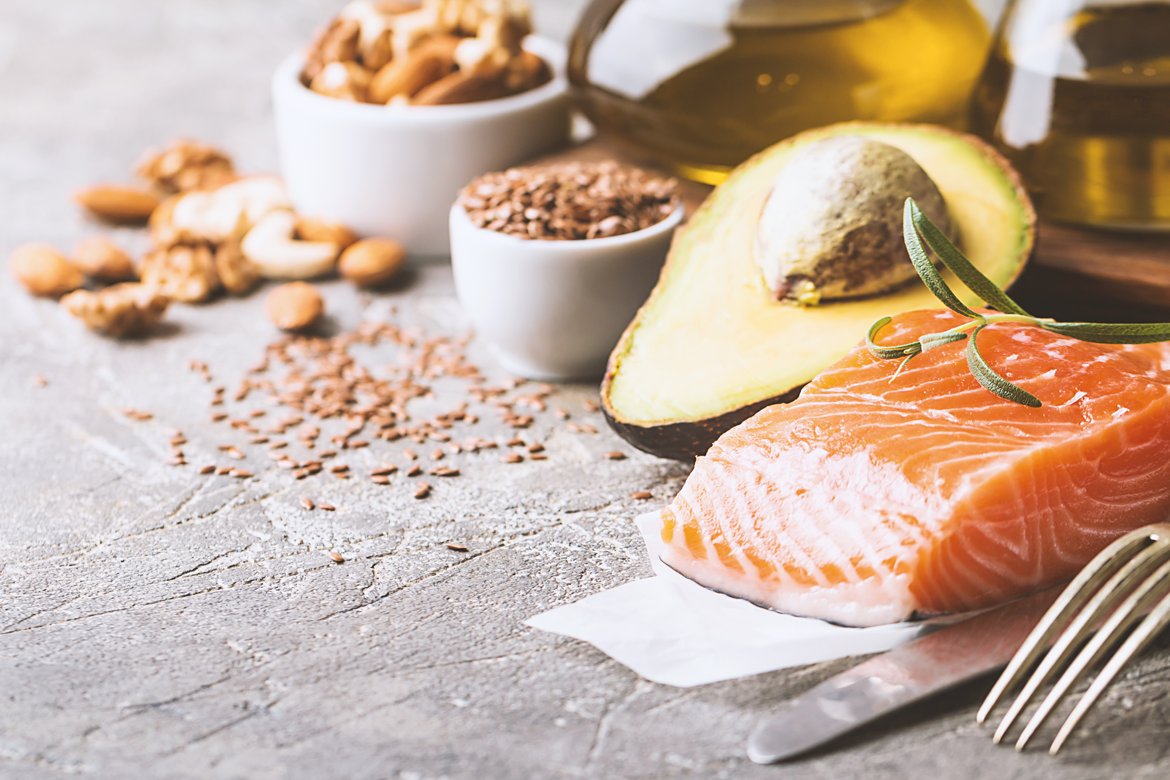
Foods good for the heart include those rich in unsaturated fats, fibre, and omega-3s: oily fish such as salmon and mackerel, nuts, olive oil, wholegrains, and a wide variety of fruits and vegetables. These foods help manage cholesterol, diabetes, blood pressure, and inflammation, three of the biggest drivers of heart disease.
A heart-healthy diet isn't about any single food, but a consistent eating pattern you can sustain over time (Lichtenstein et al., 2021).
Diet affects heart disease mainly through four pathways: cholesterol, blood pressure, blood glucose, and chronic inflammation.
Diets high in saturated and trans fats raise LDL ("bad") cholesterol, which builds up as plaque in the arteries and narrows blood flow to the heart.
Diets high in sodium raise blood pressure, forcing the heart to work harder over time.
Diets high in refined carbohydrates and added sugar can raise blood glucose levels, and sustained high glucose damages the inner lining of the arteries (the endothelium), accelerating plaque buildup. This is one reason diabetes itself is a major risk factor for heart disease.
Diets high in ultra-processed food and added sugar are linked to the low-grade inflammation that damages blood vessels over the long term (Lichtenstein et al., 2021).
According to the Ministry of Health's National Population Health Survey 2023–2024, about 1 in 3 Singapore residents aged 18 to 74 has hypertension (33.8%), and roughly 1 in 3 has hyperlipidaemia and/or hypertension overall – both major, largely diet-modifiable risk factors for heart disease (Ministry of Health, Singapore, 2025).
Foods good for the heart share a few common traits: they're rich in unsaturated fats, fibre, and micronutrients, and low in sodium and added sugar. The American Heart Association's dietary guidance highlights the following as core components of a heart-protective diet (Lichtenstein et al., 2021):
Oily fish – salmon, mackerel, sardines, and other fatty fish are rich in omega-3 fatty acids, associated with lower rates of coronary heart disease and stroke.
Nuts, seeds, and legumes – good sources of plant protein, fibre, and unsaturated fat, and a recommended substitute for red or processed meat.
Liquid plant oils – olive, canola, rice bran and similar oils in place of butter, lard, and tropical oils like coconut or palm oil.
Wholegrains – oats, quinoa, brown rice, and wholemeal bread over refined, highly processed grains.
A wide variety of fruit and vegetables – different colours supply different protective plant compounds, not just one nutrient.
The foods that work against heart health are largely the mirror image of the ones above: high in saturated or trans-fat, sodium, or added sugar, and heavily processed.
Saturated and trans fats – fatty cuts of red meat, processed meats (sausages, ham, luncheon meat, bacon), full-fat dairy, and deep-fried food raise blood LDL cholesterol.
Excess sodium – processed and packaged foods, salt-preserved food, instant noodles, canned soups, and salty condiments are major contributors; sodium raises blood pressure and, after heart surgery, can worsen fluid retention.
Added sugar and sugar-sweetened beverages – linked to weight gain, insulin resistance, and adverse changes to blood cholesterol levels.
Ultra-processed food – the American Heart Association has flagged ultra-processed food as an emerging area of concern for cardiometabolic health, distinct from its individual nutrients (American Heart Association, 2026).
None of these means these foods are strictly off-limits; it's about frequency and portion, not total avoidance.
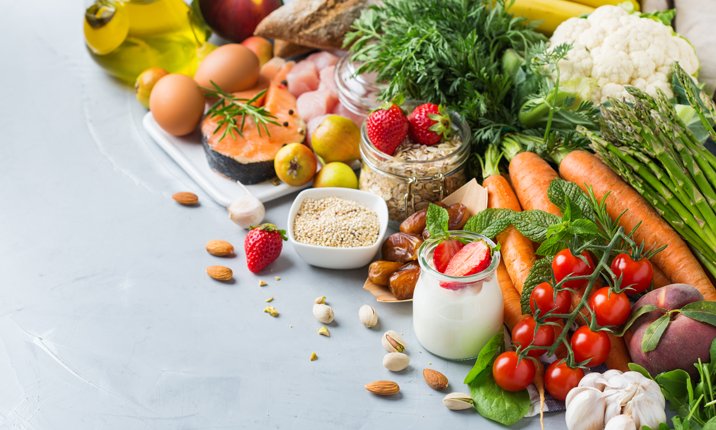
A heart-healthy diet is less about any single food and more about an overall eating pattern followed consistently.
Among the various heart-healthy dietary patterns, the Mediterranean diet has the strongest clinical evidence behind it – most notably PREDIMED, a large randomised controlled trial that found it reduced major cardiovascular events by around 30% compared with a low-fat diet in people at high cardiovascular risk (Estruch et al., 2018).
Other patterns, such as the DASH diet, are also well-supported and share the same underlying principles: plenty of vegetables and fruit, wholegrains over refined grains, healthy protein sources, unsaturated fats over saturated fats, and minimal added sugar and sodium (Lichtenstein et al., 2021).
These patterns are flexible enough to adapt to different cultural cuisines and personal preferences, which matters for how sustainable they are long-term.
Natalie Goh, chief dietitian at Mount Elizabeth Novena Hospital, Singapore, advises: “Add more plants, choose fish or beans more often, use healthy fats, minimise ultra-processed foods, and stop eating when comfortably satisfied rather than completely full.”
Tips when eating out or ordering food:
Choose dishes with plenty of vegetables, or simply ask for more vegetables
Choose fish, tofu and beans more often. Avoid the deep-fried oily options.
Swap refined grains with wholegrains. If wholegrains are not available, take smaller portion of rice or noodle and increase portion of vegetables
Go easy on salt and sauces. Taste your food before adding soy sauce, chilli sauce or sambal
Choose water instead of sugar-sweetened beverages. Sugar-sweetened beverages contribute excess sugar and calories without providing significant nutritional value. Regular consumption has been linked to weight gain, higher blood glucose and triglyceride levels, and an increased risk of heart disease.
Tips when cooking at home:
Build your meal around plants. Fill half your plate with vegetables, one-quarter with beans, lentils or soy food, and one-quarter with fish or lean meat.
Use low-fat cooking methods e.g. bake, air-fry, steam, braise, stew, stir-fry with little oil.
Use unsaturated oil e.g. sunflower, canola, rice bran oil, olive oil.
Use less salt and sauces. Lower sodium salt or sauces may contain added potassium salt, which may not be suitable for individuals with kidney issues.
Flavour foods with herbs, spices, garlic, ginger, onions, citrus, vinegar, and fresh chilli to enhance taste naturally while reducing the need for salt.

The evidence for heart-health supplements is more mixed than most marketing suggests, and it varies significantly by supplement.
"High doses of omega-3 may also thin the blood and increase the risk of heart arrhythmias," notes Dr Kua Jieli, cardiologist at Mount Elizabeth Hospital.
This is a reminder that more isn't automatically better, and that supplementation is worth discussing with a doctor first.
Plant sterols and stanols: Found in some fortified foods and supplements, these have reasonably consistent evidence for modestly lowering LDL cholesterol by reducing blood cholesterol absorption in the gut.
Soluble fibre (e.g. psyllium): Similarly supported evidence for modest LDL-lowering, working through a comparable mechanism.
Coenzyme Q10 (CoQ10): Interest particularly in heart failure, where some studies suggest possible benefit, but the evidence base is still developing and effects on cholesterol are modest at best.
"While both plant sterols and soluble fibre may reduce cholesterol, they have not been definitively proven to reduce the risk of heart attacks," adds Dr Jieli.
Supplement evidence is generally weaker and more mixed than the evidence for whole foods and dietary patterns, and appropriateness depends heavily on individual health status and medications.
No. The evidence consistently favours getting these nutrients from food rather than supplement pills.
For example, people who eat fish regularly tend to have better cardiovascular outcomes, but omega-3 supplements have not reliably reproduced that same benefit in trials (Abdelhamid et al., 2020).
Whole foods also deliver fibre, protein, and other nutrients together, in ways an isolated supplement cannot replicate. Supplements aren't regulated in the same way as medicines, and some can interact with heart medications – so they're worth discussing with a doctor rather than starting on your own, especially for anyone already on blood thinners, statins, or blood pressure medication.
Dr Kua Jieli, cardiologist at Mount Elizabeth Hospital, explains: "Heart surgery is quite non-specific, as it can be either angioplasty, which is minimally invasive, or cardiac surgery. In general, patients should follow a heart-healthy diet like most cardiac patients. But depending on their underlying condition, they may be advised to follow a more specific diet – for example, if their heart function is poor, they may need to restrict fluid and sodium even more strictly, or if they require a blood thinner like warfarin after heart valve surgery, they'll need to monitor the vitamin K-rich foods they eat, as it can affect their warfarin levels."
Natalie Goh, chief dietitian at Mount Elizabeth Novena Hospital, encourages patients to prioritise nutrient-dense foods. She says: “Recovery may temporarily reduce appetite. Eat smaller frequent meals and choose foods that provide protein, vitamins and minerals in a smaller volume, such as fish, eggs, low fat dairy products, tofu, legumes, fruits and vegetables.”
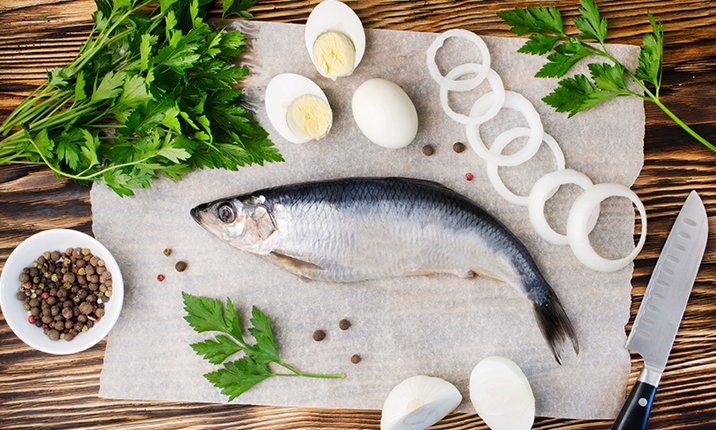
For most patients, recovery nutrition builds on the same heart-healthy foundations covered earlier in this article, with a few adjustments common in the recovery period:
Lower sodium – to reduce fluid retention and ease strain on a healing heart, particularly in the early recovery weeks.
Adequate protein – to support wound and tissue healing; lean meat, fish, eggs, dairy, and legumes are typical sources.
Smaller, more frequent meals – appetite is often reduced in the first weeks after surgery.
Fluid monitoring – particularly important for patients with any degree of heart failure; ask your care team what's appropriate for you.
Consistent vitamin K intake – relevant for patients on warfarin, since sudden changes in vitamin K-rich vegetables can affect how the medication works.
Diet typically progresses gradually back toward a standard heart-healthy pattern as recovery continues, guided by your surgical and rehabilitation team.

Move regularly. Aim for at least 150 minutes of moderate-intensity activity a week (such as brisk walking), or 75 minutes of vigorous activity – spread across the week rather than done all at once (American Heart Association, n.d.).
Don't smoke – and if you do, quitting helps quickly. Smoking roughly doubles to quadruples the risk of coronary heart disease and stroke. After quitting, cardiovascular risk starts dropping within 1 – 2 years, and the added risk of coronary heart disease is roughly halved within 3 – 6 years (Centers for Disease Control and Prevention, 2024). Singapore's daily smoking rate has continued to decline, reaching 8.8% in 2023 (Ministry of Health, Singapore, 2023).
Manage stress. A growing body of evidence links chronic psychological stress, anxiety, and depression with worse cardiovascular outcomes, likely through combined behavioural and biological pathways (Levine et al., 2021). Practical steps – adequate sleep, regular activity, social connection, and professional support where needed – are also heart-protective steps, not just "nice to have."
Go for regular screening. Since over half of people with hypertension in Singapore's last national survey were previously undiagnosed, regular blood pressure and cholesterol checks matter even without symptoms (Singapore Heart Foundation, n.d.).
Bringing it together, a few consistent habits do most of the work:
Build meals around vegetables, wholegrains, healthy fats, and oily fish rather than restricting single "bad" foods.
Keep sodium and added sugar in check, especially from processed and packaged food.
Treat supplements as a discussion to have with your doctor, not a substitute for the food choices above.
Stay active most days, aim to not smoke, and take stress and sleep seriously as heart-health factors in their own right.
Dr Jieli advises: "The goal of a healthy diet isn't simply to achieve better numbers. It's to build a healthier body. Whatever we eat influences our heart, blood vessels, metabolism, and overall health. Ultimately, we shouldn't eat just for better numbers – we should eat for better health."
For personalised dietary advice, especially if you have existing heart disease, diabetes, or kidney issues, speak with a cardiologist or dietitian – what's heart-healthy for one person can need adjusting for another.
Taking care of your heart is a lifelong journey, and you don’t have to navigate it alone. At Mount Elizabeth, our multidisciplinary team of cardiologists, cardiothoracic surgeons, specialist nurses and allied health professionals provides comprehensive heart care to support you at every stage of life.
Learn more
This is a phenomenon that has been rearing its head much more in recent years. Athlete or not, it is important to understand its possible causes.

Heart attacks are the 2nd most common cause of death after cancer in Singapore – but help is available for if you are diagnosed and treated early.

Various kinds of jobs create different types of stress, and whether the stress becomes harmful depends on the individual.

Complications arising from diabetes and Peripheral Arterial Disease often result in patients losing a limb, but it does not have to be that way.

It’s not unusual to hear of professional athletes suffering a heart attack at the peak of their game. Cardiologists can provide expert advice to athletes.

We recommend the most common heart operations to beat heart disease.

Our breast surgeon explains how to understand your risk, warning signs to know, why screening matters even when you feel well, and what surgery can look like today.

As knee osteoarthritis progresses, everyday activities can become more difficult. Our pain specialist and orthopaedic surgeon explain the treatment options available and how to find the right approach for you.

Dr Edwin Chng from Parkway Shenton explains why weight loss can slow down during medical weight management, and when it may be time to review your treatment plan.

Prostate cancer is common, often silent, and still diagnosed too late in Singapore. Urologist Dr Tan Yung Khan on what every man should know about screening, diagnosis, and treatment.

We answer common questions about haze, and how this can affect common chronic lung conditions such as asthma and chronic obstructive pulmonary disease (COPD), and 8 simple tips to protect ourselves against it.

Our neurosurgeon, Dr Vincent Ng, explains the factors specialists consider when deciding whether a brain aneurysm should be monitored or treated, and what the different treatment options involve.
Parkway East Hospital is part of IHH Healthcare, one of the world’s largest integrated healthcare networks.

Download the MyHealth360 app to access an array of medical services conveniently.


Get trusted medical advice from our specialists, dietitians and physiotherapists directly in your inbox.
Subscribe