


Dr See Hui Ti
Medical Oncologist


 Add as a preferred source on Google
Medical Oncologist
Breast cancer is now treated according to the type of cancer, how far it has spread and what matters to each patient, rather than with a one-size-fits-all approach.
Depending on the case, treatment may include surgery, chemotherapy, hormone therapy, targeted therapy, immunotherapy and radiotherapy. Genomic tests help doctors decide who will benefit from chemotherapy, and giving drug treatment before surgery can shrink a tumour so that less extensive surgery is needed. Finding the cancer early remains the most important step, as early-stage cancers generally need simpler treatment.
Below, Dr See Hui Ti, a medical oncologist at Mount Elizabeth Hospitals, answers common questions about how breast cancer is treated today.
Not necessarily.
However, by the time breast cancer causes symptoms, it is usually at least stage 2, and sometimes later. That doesn't mean it is too late to treat. It does mean that treatment will generally be more involved than if the cancer had been found earlier.
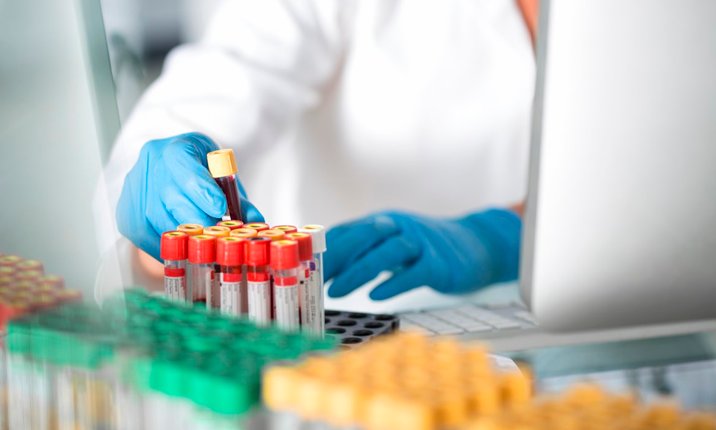
Multi-cancer blood tests that screen many cancers at once are becoming available, but for breast cancer, the answer is "yes and no".
These tests look for genetic changes shed by tumours into the blood. Many breast cancers are low grade with few mutations, so they may not show up. These tests are more useful for picking up advanced cancers, or cancers such as pancreatic and stomach cancer, for which no standard screening exists.
“Up to 40% of our patients are diagnosed with stage 0 breast cancer, also known as ductal carcinoma in situ (DCIS),” shares Dr See. “At this stage there is usually no lump, and the only sign is microcalcifications on a mammogram. For breast cancer, the mammogram remains the key screening tool.”
No, this is a common myth.
Doctors cannot tell whether a lump is cancerous just by feeling it, so a needle biopsy is needed to confirm the diagnosis before ordering scans to check for spread. As the scans come after the biopsy, some patients feel the biopsy caused the spread.
Because breast cancer isn't one disease. Doctors usually group it into 4 main subtypes:
Luminal A cancers tend to occur in older women, are low grade and grow slowly.
Luminal B cancers grow a little faster and typically benefit from both chemotherapy and hormone therapy.
HER2-positive and triple-negative cancers are considered more aggressive.
Within these groups, doctors identify ever more detailed subtypes.
No. Around 25 years ago, almost every patient received chemotherapy, surgery and radiotherapy.
Today, doctors know that some low-risk cancers gain very little from chemotherapy, sometimes only about a 1% benefit, while the side effects are real. Genomic tests that analyse the tumour's genetic pattern help identify which early-stage cancers are low risk and which are high risk.
"Some patients get all the side effects of chemotherapy and none of the benefit. Others get all of the benefit," says Dr See. “With genomic testing, treatment can be tailored accordingly. For high-risk cancers, chemotherapy offers real benefit.”
Giving chemotherapy before surgery, called neoadjuvant chemotherapy, does not mean the cancer is advanced. Keeping the tumour in place lets doctors see how well it responds.
If the surgeon removes the tumour first, there is nothing left to measure. If the tumour shrinks, surgery may be less extensive, sometimes allowing a minimally invasive approach. It also gives patients time to consider major decisions, such as whether a genetic mutation carrier wants a double mastectomy.
Higher-grade cancers tend to shrink faster with chemotherapy and would usually need it after surgery anyway, so giving it first makes sense. If some cancer remains after treatment, additional therapy can be given to improve the chance of cure.

Sometimes the tumour shrinks so much that it can no longer be felt or seen on ultrasound. Seeing the surgeon first allows a small marker clip to be placed in the tumour, so the surgeon knows exactly where to operate afterwards.
Targeted therapy and immunotherapy have changed how some cancers are managed, particularly large tumours that can't be safely removed straight away.
“One patient with a large tumour received dual targeted therapy with an oral medication, without chemotherapy, and saw it shrink,” shares Dr See. “Another patient, with triple-negative breast cancer, received immunotherapy (checkpoint inhibitors). Her tumour shrank enough for her to have minimally invasive surgery.
“Twenty years ago, a surgeon might have operated on such tumours. This often left cancer cells behind at the edges, and the cancer would return quickly. Today, these patients receive drug treatment first to control the disease.”
No.
“I’ve treated a patient who had a very large tumour but felt no pain at all,” shares Dr See. “The cancer had destroyed the nerves in the area.” A lack of pain is not a reason to delay seeing a doctor.
No. The aim is appropriate treatment.
Very early cancers may only need removal, sometimes through keyhole surgery. A small lump should not require a mastectomy unless the patient is at very high risk or carries a genetic mutation.
The same thinking applies when cancer has spread. If a woman is diagnosed with stage 4 cancer at 45 and may live with it for 20 years, removing her breast may not improve her outcome. Doctors therefore try to avoid recommending breast surgery that doesn't help her chances or quality of life.
Stage 4 breast cancer can still be treated, though the approach changes. “Stage 4 is not a swear word,” says Dr See. “It just tells us to stop and think before we go in and remove the tumour.”
Some patients have cancer that has spread to only one site, such as a single spot in the bone, lung or liver.
If the cancer is also slow-growing, surgery to the breast plus surgery or radiation to that site may be offered, and some of these patients go on to be cured.
Not necessarily. It can become expensive, but the earlier breast cancer is diagnosed, the simpler, and therefore more affordable, treatment tends to be.
Dr See notes that all Singapore Citizens and Permanent Residents already have basic coverage through MediShield Life. Her advice is to invest in early detection by going for routine mammograms.

For most people, lifestyle plays a bigger role.
Inherited mutations such as BRCA are not common in Singapore, according to Dr See, and genetic variants of uncertain significance are often "background noise": we all carry some mutations, and they won't necessarily lead to cancer if personal risks are managed. Radiation exposure is a rare cause in Singapore.
Smoking, obesity and physical inactivity matter more.
"Fat is not an inert organ, it's a very active one," says Dr See. “Above about 35% body fat, fat tissue becomes pro-inflammatory. This weakens the immune system's ability to find and clear precancerous cells.”
Breast cancer treatment is now guided by the type of cancer, how early it is found and what matters to each patient, so some women can safely avoid treatments that would not benefit them.
But one thing hasn’t changed. “If you have nothing else to take home, get the diagnosis early,” says Dr See. “If you see something, go and get it checked quickly.” And for survivors, she has one more request: encourage the women around you to get screened too.
No two breast cancers are the same, and neither are the people facing them. From genomic testing to targeted therapy and immunotherapy, our breast surgeons and oncologists work together to plan treatment around your cancer, your body and your priorities.
Learn more
A monthly breast self-examination 7 – 10 days after your period starts can save your life.

More women are being claimed by breast cancer now than before. Love them by encouraging them to go for breast screening.

Dr Tan Yah Yuen, general surgeon at Mount Elizabeth Hospitals, answers the questions you may have about mastectomies.

Dr Wee Siew Bock, breast surgeon at Mount Elizabeth Hospital, address your questions and concerns about breast conserving surgery (lumpectomy).

Dr Liau Kui Hin explains pancreatic neuroendocrine tumours (PNETs) and the newer, effective treatments for this uncommon cancer.

Dr Tan Yu-Meng, general surgeon at Mount Elizabeth Hospitals, gives us the stark facts about pancreatic cancer and the treatment options available for patients.

Our breast surgeon explains how to understand your risk, warning signs to know, why screening matters even when you feel well, and what surgery can look like today.

As knee osteoarthritis progresses, everyday activities can become more difficult. Our pain specialist and orthopaedic surgeon explain the treatment options available and how to find the right approach for you.

Dr Edwin Chng from Parkway Shenton explains why weight loss can slow down during medical weight management, and when it may be time to review your treatment plan.

Prostate cancer is common, often silent, and still diagnosed too late in Singapore. Urologist Dr Tan Yung Khan on what every man should know about screening, diagnosis, and treatment.

We answer common questions about haze, and how this can affect common chronic lung conditions such as asthma and chronic obstructive pulmonary disease (COPD), and 8 simple tips to protect ourselves against it.

Our neurosurgeon, Dr Vincent Ng, explains the factors specialists consider when deciding whether a brain aneurysm should be monitored or treated, and what the different treatment options involve.
Parkway East Hospital is part of IHH Healthcare, one of the world’s largest integrated healthcare networks.

Download the MyHealth360 app to access an array of medical services conveniently.


Get trusted medical advice from our specialists, dietitians and physiotherapists directly in your inbox.
Subscribe