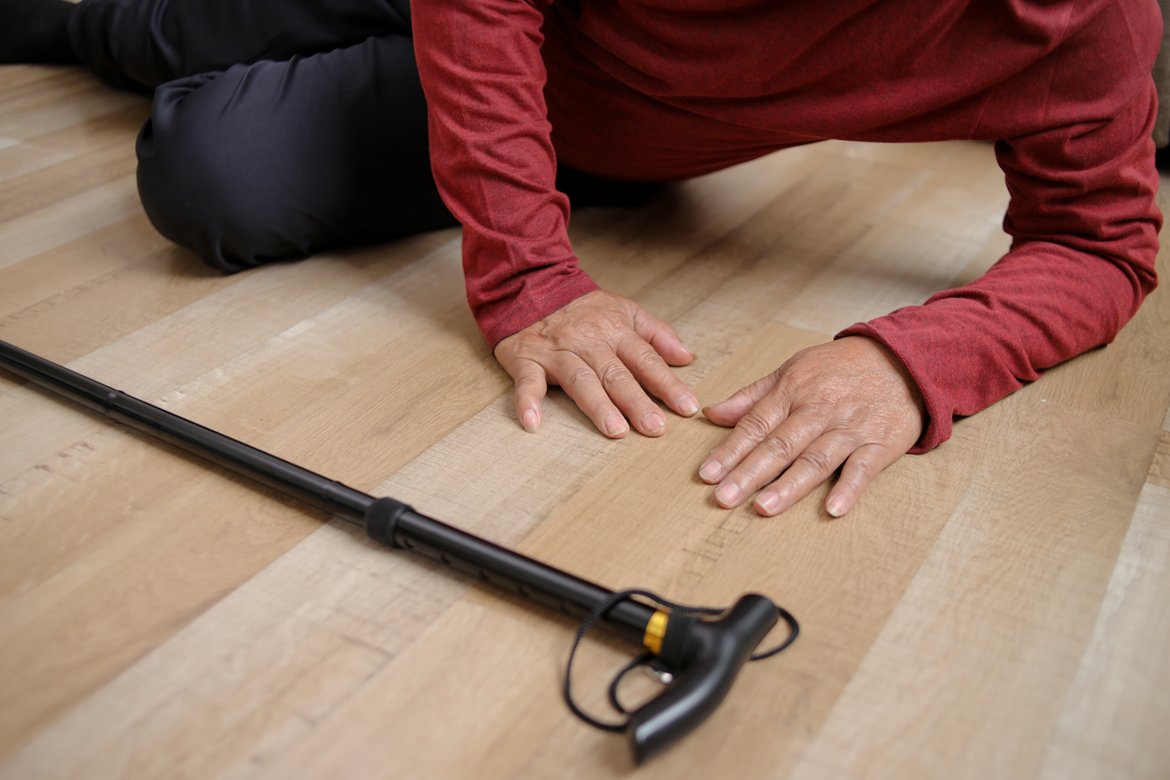
Falls are common in older adults, but many can be prevented. Learn how to make your home safer, what to do after a fall, and when to consult a geriatrician.
To prevent falls for elderly loved ones at home, make their living space safer (clear walkways, good lighting, non-slip floors and grab bars), keep them active with balance and strength exercises, and review their vision, footwear and medications.
Falls are common, but they are not an unavoidable part of ageing. If an older adult falls more than once or seems increasingly unsteady, a geriatric assessment can help find out why.
Why are falls so dangerous for the elderly?
Falls are dangerous for older adults because they can cause serious injuries, such as hip fractures and head injuries, and can lead to a lasting loss of mobility and independence.
In Singapore, the Health Promotion Board (HPB) notes that falls among seniors often result in injuries such as hip fractures, which can significantly reduce mobility and independence (HPB, 2016). Even a fall without a serious injury can have knock-on effects. An older adult who becomes afraid of falling again may move around less, which weakens muscles and balance and can make another fall more likely.
Common consequences of a fall include:
Fractures, most often of the hip, wrist or spine
Head injuries, including bleeding in or around the brain
Cuts, bruises and sprains that heal slowly
Complications from lying on the floor for a long time, such as dehydration and pressure sores
Fear of falling, reduced activity and social withdrawal
Loss of independence, and sometimes a need for long-term care
What causes falls in the elderly?
Falls in older adults rarely have a single cause. They usually result from a combination of age-related changes, health conditions, medications and hazards at home, and the more risk factors that are present, the higher the chance of falling.
Health-related risk factors
Muscle weakness and poor balance, especially in the legs
Problems with vision, such as cataracts or glasses that no longer suit
Side effects from medications, including sleeping pills, sedatives and some blood pressure medicines, or taking many medicines at once
Dizziness or a drop in blood pressure when standing up
Conditions that affect movement or sensation, such as arthritis, nerve damage, Parkinson’s disease or a past stroke
Memory problems or confusion
Urgency to pass urine, leading to rushed toilet trips, especially at night
Foot pain, foot problems or unsuitable footwear
Home and environmental risk factors
Wet or slippery floors, particularly in the bathroom
Loose mats, uneven thresholds and trailing wires
Clutter in walkways
Poor lighting, especially along the route to the toilet at night
Stairs without sturdy handrails
Unstable furniture, or frequently used items stored too high or too low
How to prevent falls for elderly at home
Fall prevention works best when it combines a safer home, regular balance and strength exercise, and routine checks on vision, footwear and medications. The steps below can help lower the risk, although they cannot remove it completely.
Make the home safer, room by room
Simple changes in every room can lower the risk of a fall, and many of them appear in HPB’s home safety checklist for seniors and caregivers (HPB, n.d.):
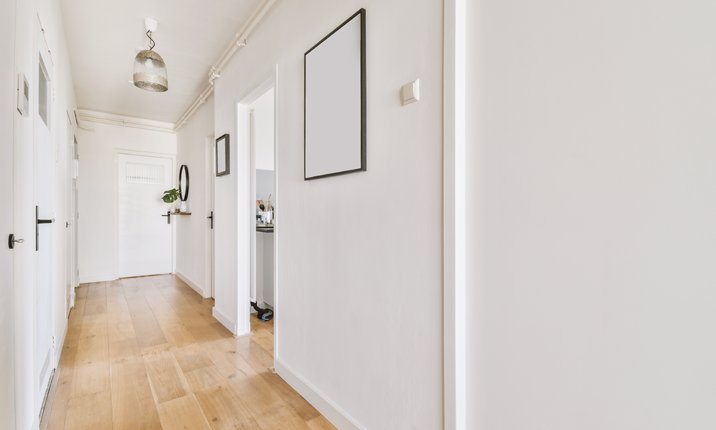
All rooms: Keep walkways clear of clutter. Remove loose mats or secure them with slip-resistant backing. Bundle up and tuck away electrical wires. Wipe up spills straight away. Make sure every room is well lit.
Bedroom: Keep a lamp within easy reach of the bed and use night lights along the path to the toilet. Make sure the bed is at a height where the person’s feet can rest flat on the floor when sitting.
Bathroom: Use non-slip flooring or mats, install grab bars near the toilet and in the shower, consider a shower stool, and keep the floor dry.
Stairs and entrances: Install sturdy handrails and keep steps well-lit and free of objects.
Living areas and kitchen: Use stable chairs with armrests, and keep commonly used items on shelves that are easy to reach so the person does not have to climb or stretch.
Eligible Singapore households may be able to get subsidies for home modifications such as grab bars and non-slip flooring, for example under HDB’s Enhancement for Active Seniors (EASE) programme.
Keep them moving with balance and strength exercises
Staying active is one of the most practical ways to reduce falls. A Cochrane review of 59 trials found that exercise reduced the rate of falls by 23%, and balance and functional exercises reduced it by 24%. Programmes delivered by a health professional, usually a physiotherapist, showed a larger effect (Sherrington et al., 2019). Tai chi may also help, although the evidence is less certain.
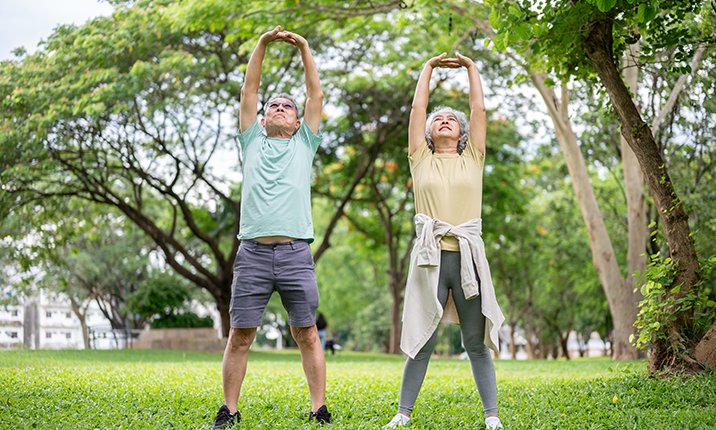
Balance exercises, such as standing on one leg while holding a stable surface or walking heel to toe
Leg-strengthening exercises, such as standing up from a chair repeatedly
Group classes such as tai chi, which also provide social contact
Check with a doctor or physiotherapist before starting a new exercise programme, particularly if the person is frail or has heart, bone or joint conditions.
Check vision, feet, footwear and medications
Vision: Arrange regular eye checks and keep spectacles up to date.
Footwear: Choose well-fitting, closed, non-slip shoes for indoor and outdoor use. Avoid loose slippers, walking in socks on smooth floors, or going barefoot.
Medications: Ask the doctor or pharmacist to review all medicines, including supplements and traditional remedies, especially after a new medicine is started. Do not stop any medicine without medical advice.
Build safer daily habits
Stand up slowly: Encourage the person to sit at the edge of the bed for a minute before standing, to reduce dizziness.
Plan for night-time toilet trips: Use night lights and, if needed, a bedside commode.
Use walking aids properly: A physiotherapist can advise on the right aid and adjust it to the person’s height.
Make it easy to call for help: Consider an emergency alert device or a phone kept within reach, and arrange regular check-ins if the person lives alone or is alone for long periods.
What to do if an elderly person falls at home
If an older adult falls, stay calm and do not rush to pull them up.
First check whether they are hurt. Call 995 if they are unconscious, badly injured or show signs of a serious problem. If they seem unhurt, help them up slowly and safely, then arrange for a medical check-up.
Step by step
Stay calm and reassure them. Ask if they are in pain, what happened, and whether they hit their head.
Check for injuries before moving them. Look for bleeding, swelling, an unusual limb position, severe pain (especially in the hip, groin, wrist or back), or confusion and drowsiness.
If there are signs of serious injury, do not move them. Call 995, keep them warm and comfortable with a blanket, and stay with them until help arrives. Press a clean cloth firmly on any heavy bleeding.
If there is no obvious injury and they feel able to get up, help them slowly. Let them roll onto their side and get onto their hands and knees, then guide them to a sturdy chair to sit and rest. Do not pull them up by the arms, and do not try to lift them on your own.
Let them rest and check how they feel before walking. Wait for any dizziness to pass.
If they cannot get up and you cannot help them safely, ask for help. Keep them warm and comfortable on the floor while you do so.
When to call 995 immediately
They are unconscious or unresponsive
They hit their head and are drowsy, confused, vomiting or having a seizure
There is heavy bleeding
They cannot move or put weight on a leg or arm, or a limb looks deformed
They have chest pain or difficulty breathing
They show signs of a stroke, such as a drooping face, weak arm or slurred speech
An older adult who takes blood thinners and has hit their head should be assessed by a doctor even if they seem fine, because bleeding in the brain can develop hours later.
What to watch for in the next few days
Even after a fall that seems minor, keep an eye out for a new headache, drowsiness, confusion, vomiting, worsening pain, swelling or bruising, trouble walking, or a reluctance to eat or drink. See a doctor promptly if any of these appear. Every fall, including one without injury, should be mentioned to the family doctor, because it can be a sign that something needs attention.
What are the warning signs that an older adult may need a geriatric assessment?
Consider seeing a geriatrician if an older adult has fallen more than once in a year, has had a fall that caused an injury, or shows increasing unsteadiness, weakness or forgetfulness. A geriatrician is a doctor who specialises in the health of older adults and looks at the whole person rather than one condition at a time.
Warning signs to look out for include:
Two or more falls in a year, a fall that causes injury, or a fall where the person could not get up
Near-falls, stumbling or needing to hold onto walls and furniture to get around
Slower walking, weaker legs or difficulty getting out of a chair
New confusion, memory problems, changes in behaviour and poor safety awareness
Dizziness or light-headedness on standing
Taking many medicines, or being on new medicines
New urinary urgency or incontinence
Fear of falling, leading to less activity or going out less
Difficulty with daily activities such as bathing, dressing or preparing meals
These signs do not always mean something serious is wrong, but they are worth acting on early. Many of the causes can be identified and treated.
What should you do if an elderly person keeps falling?
If an older adult falls repeatedly, arrange a medical assessment rather than accepting it as a normal part of getting older.
Repeated falls are a warning sign that something, such as a medication effect, a blood pressure problem, muscle weakness, poor vision or early memory change, may be contributing. Global guidelines recommend that older adults at high risk of falling should be offered a multifactorial falls risk assessment, followed by a personalised plan to reduce the risk (Montero-Odasso et al., 2022).
In the meantime, caregivers can:
Keep a simple record of each fall or near-fall: when, where, what the person was doing, and whether they felt dizzy or unwell
Bring all medicines, including supplements, and any previous medical reports to the appointment
Avoid restricting the person to bed or a chair out of fear. Inactivity weakens muscles and can increase the risk of falling
Continue with home safety changes and supervised exercise while waiting for the assessment
What happens during a geriatric assessment?
A geriatric assessment is a detailed review of an older adult’s health, physical function and daily life, carried out by a geriatrician. Its aim is to understand why problems such as falls are happening and to build a practical plan to address them.
An assessment may include:
A review of medical history and existing conditions
A medication review, to check for medicines that can cause dizziness, drowsiness or low blood pressure
Tests of walking, balance and muscle strength, and blood pressure checks
Vision, hearing and foot checks
Screening for memory problems and low mood
A look at nutrition and weight
An assessment of how well the person manages daily activities
A discussion of home safety and the support available to the caregiver
The outcome is usually a personalised plan, which may include adjusting medicines, exercise or physiotherapy, home modifications, and referrals to other professionals such as occupational therapists or dietitians. It helps to bring a list of medicines, previous reports, and a family member or caregiver who knows the person’s daily routine.
Speak to a geriatrician at Parkway East Hospital’s Live Well Centre about falls, frailty and healthy ageing, and find out if a geriatric assessment is right for your loved one.
Health Promotion Board. (n.d.). Reduce your risk of falls with these 5 easy tips: Home safety checklist [Brochure]. HealthHub.
Health Promotion Board. (2016, July 9). Inaugural falls prevention awareness campaign to help seniors prevent a common cause of injuries [Press release]. https://isomer-user-content.by.gov.sg/484/188c4036-aeac-4b78-9074-a5213d457c00/inaugural-falls-prevention-awareness-campaign-to-help-seniors-prevent-a-common-cause-of-injuries.pdf
Montero-Odasso, M., van der Velde, N., Martin, F. C., Petrovic, M., Tan, M. P., Ryg, J., Aguilar-Navarro, S., Alexander, N. B., Becker, C., Blain, H., Bourke, R., Cameron, I. D., Camicioli, R., Clemson, L., Close, J., Delbaere, K., Duan, L., Duque, G., Dyer, S. M., . . . Masud, T. (2022). World guidelines for falls prevention and management for older adults: A global initiative. Age and Ageing, 51(9), Article afac205. https://doi.org/10.1093/ageing/afac205
Sherrington, C., Fairhall, N. J., Wallbank, G. K., Tiedemann, A., Michaleff, Z. A., Howard, K., Clemson, L., Hopewell, S., & Lamb, S. (2019). Exercise for preventing falls in older people living in the community. Cochrane Database of Systematic Reviews, 2019(1), Article CD012424. https://doi.org/10.1002/14651858.CD012424.pub2
Singapore Civil Defence Force. (n.d.). Emergency medical services. Retrieved September 30, 2026, from https://www.scdf.gov.sg/home/about-us/information-on-ems
Tan, T. X. Z., Nadkarni, N. V., Chua, W. C., Loo, L. M., Iau, P. T. C., Ang, A. S. H., . . . Wong, T.-H. (2021). Frailty and length of stay in older adults with blunt injury in a national multicentre prospective cohort study. PLoS ONE, 16(4), Article e0250803. https://doi.org/10.1371/journal.pone.0250803
World Health Organization. (2008). WHO global report on falls prevention in older age. https://www.who.int/publications/i/item/9789241563536
A Lasting Power of Attorney (LPA) allows you to appoint someone you trust to manage your affairs if you lose mental capacity in an accident or medical emergency.

In the unfortunate event of a terminal illness, you can help your loved ones understand the medical care you would want in advance. An Advance Medical Directive (AMD) lets you record your desired medical care legally in Singapore.

Our breast surgeon explains how to understand your risk, warning signs to know, why screening matters even when you feel well, and what surgery can look like today.
As knee osteoarthritis progresses, everyday activities can become more difficult. Our pain specialist and orthopaedic surgeon explain the treatment options available and how to find the right approach for you.

Dr Edwin Chng from Parkway Shenton explains why weight loss can slow down during medical weight management, and when it may be time to review your treatment plan.

Prostate cancer is common, often silent, and still diagnosed too late in Singapore. Urologist Dr Tan Yung Khan on what every man should know about screening, diagnosis, and treatment.

We answer common questions about haze, and how this can affect common chronic lung conditions such as asthma and chronic obstructive pulmonary disease (COPD), and 8 simple tips to protect ourselves against it.
Our neurosurgeon, Dr Vincent Ng, explains the factors specialists consider when deciding whether a brain aneurysm should be monitored or treated, and what the different treatment options involve.