


-
-
Featured Care Areas



Parkway East Live Well Centre
Geriatric Services
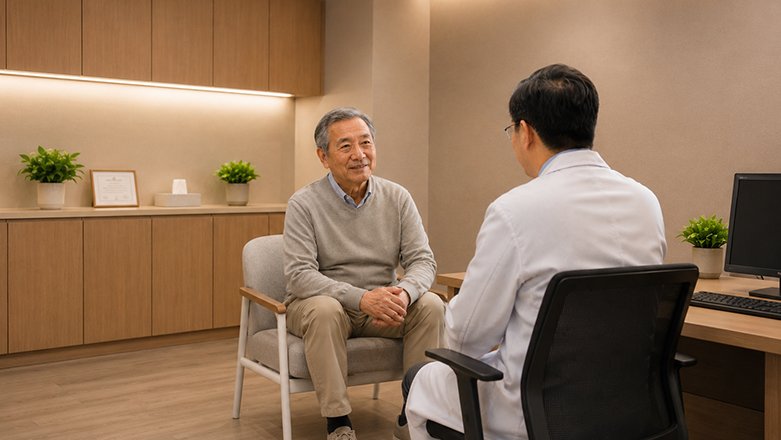
Growing older doesn’t mean growing complicated
As we age, health concerns rarely show up one at a time. A fall may be tied to a medication's side effect, and a change in appetite may affect strength and mood.
Our geriatric services, delivered through The Elder Care Clinic, provide personalised, whole-person care for older adults facing multiple medical conditions.
Led by senior geriatrician Dr Seow Chuen Chai Dennis, the clinic looks beyond a single diagnosis to understand how a patient's medical conditions, mobility, memory, nutrition and daily function affect one another – helping older adults stay independent, safe and well, for longer.
Meet our geriatrician
Dr Seow Chuen Chai Dennis is a senior geriatrician with more than 20 years of experience in the care of older adults. He was the former service chief of the SingHealth Duke-NUS Memory & Cognitive Disorder Centre, and head of the department of geriatric medicine at Singapore General Hospital.
With deep expertise in memory and cognitive disorders, falls, frailty and complex geriatric care, Dr Seow and his team support older adults and their families through every stage of ageing, combining clinical rigour with an unhurried, listening approach.
Conditions we assess and treat
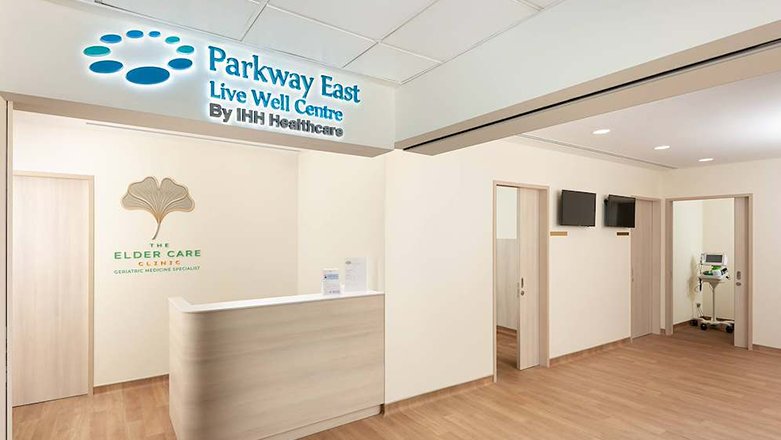
The Elder Care Clinic provides a comprehensive geriatric assessment, drawing on medical, functional and psychosocial expertise to build a care plan around each patient's needs:
- Memory loss, cognitive decline, mild cognitive impairment, dementia and delirium
- Recurrent falls, dizziness and balance issues
- Sarcopenia (age-related muscle loss)
- Mobility issues
- Poor feeding
- Polypharmacy and drug interactions
- Continence
- Advance care planning
When should you see our geriatrician?
Consider a visit to our clinic if an older loved one is experiencing:
- Increasing forgetfulness or confusion
- Falls, risk of falling or a fear of falling
- Worsening lower limb weakness or slower movement
- Poor appetite or unexplained weight loss
- Bladder control issues
- Difficulty coping with daily activities at home
- Caregiver issues
- Multiple medical conditions
- Medication issues
Latest Articles
View All
Ask our Doctor: What are Breast Cancer Risks and Early Signs?
Our breast surgeon explains how to understand your risk, warning signs to know, why screening matters even when you feel well, and what surgery can look like today.

Knee Osteoarthritis: What To Do When Knee Pain Gets Worse?
As knee osteoarthritis progresses, everyday activities can become more difficult. Our pain specialist and orthopaedic surgeon explain the treatment options available and how to find the right approach for you.

Weight Loss Has Plateaued. Does Your Treatment Need to Change?
Dr Edwin Chng from Parkway Shenton explains why weight loss can slow down during medical weight management, and when it may be time to review your treatment plan.

Ask Our Doctor: How Is Prostate Cancer Detected and Diagnosed?
Prostate cancer is common, often silent, and still diagnosed too late in Singapore. Urologist Dr Tan Yung Khan on what every man should know about screening, diagnosis, and treatment.

A Guide to Haze Season in Singapore: 8 Tips to Stay Healthy
We answer common questions about haze, and how this can affect common chronic lung conditions such as asthma and chronic obstructive pulmonary disease (COPD), and 8 simple tips to protect ourselves against it.

Diagnosed With a Brain Aneurysm? Here's What Happens Next
Our neurosurgeon, Dr Vincent Ng, explains the factors specialists consider when deciding whether a brain aneurysm should be monitored or treated, and what the different treatment options involve.


