-
-
Featured Care Areas



Parkway East Live Well Centre
Sleep Lab Services
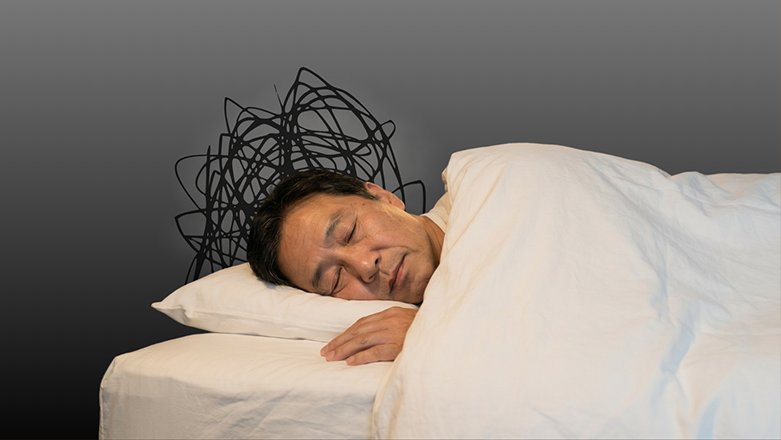
Struggling to sleep well?
Loud snoring, restless nights, or waking up tired no matter how many hours you've slept – sleep problems can affect anyone, at any age.
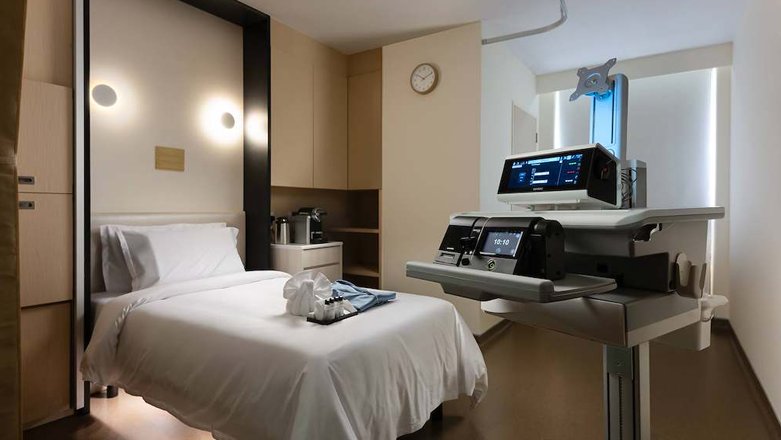
At the Parkway East Sleep Lab, we give patients in the east convenient access to overnight sleep studies, currently delivered in collaboration with O2 Lung Centre's respiratory and sleep expertise.
Our approach
- Understanding each patient's sleep symptoms and medical history
- Selecting the most appropriate sleep assessment for their situation
- Conducting overnight monitoring in a dedicated sleep lab
- Reviewing results with a specialist
- Recommending suitable next steps for treatment and care
Sleep conditions we look for
- Obstructive sleep apnoea. The airway becomes repeatedly blocked during sleep, interrupting breathing and sleep quality.
- Sleep-disordered breathing and snoring. Snoring can be more than a nuisance; it may signal an underlying breathing disorder.
- Central sleep apnoea. Breathing repeatedly stops because the brain doesn't send the right signals to the breathing muscles.
- Sleep-related hypoventilation. Breathing becomes too shallow or slow, lowering oxygen and raising carbon dioxide levels.
- Narcolepsy. A neurological disorder causing excessive daytime sleepiness and sudden sleep episodes.
- Restless legs syndrome. Uncomfortable leg sensations and an urge to move them, often worse at night.
- Periodic limb movement disorder. Repetitive limb movements during sleep that disrupt rest.
- Parasomnias. Unusual sleep behaviours such as sleepwalking or REM behaviour disorder.
Sleep care we provide
- Sleep specialist consultation. Assessment of symptoms, history and suitability for further testing or treatment.
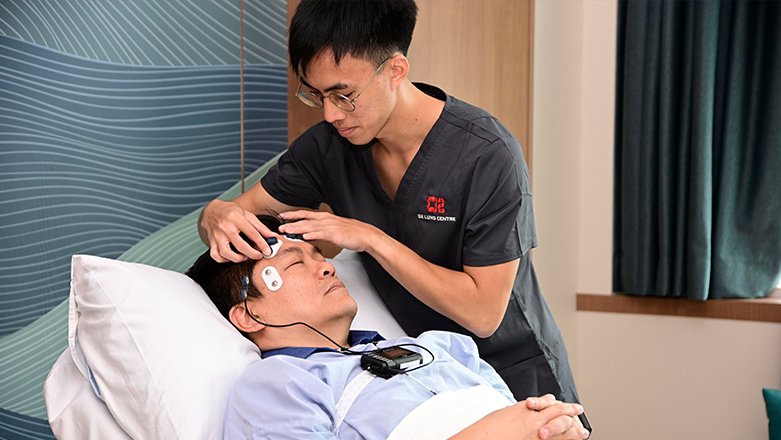
- In-lab sleep study (polysomnography). Overnight monitoring in a dedicated lab for detailed, accurate sleep data.
- PAP-NAP (Positive Airway Pressure Nap). A supervised daytime session to help patients diagnosed with a sleep breathing disorder adjust to PAP therapy.
- Therapeutic sleep studies. Including CPAP, Bi-level PAP, oxygen and complex titration to determine optimal treatment settings.
- Multiple Sleep Latency Test (MSLT). Helps confirm or exclude pathological daytime sleepiness and supports diagnosis of conditions such as narcolepsy.
- Maintenance of Wakefulness Test (MWT). Assesses a person's ability to stay awake and alert under restful conditions.
- Results review and treatment planning. Follow-up with the specialist to confirm diagnosis, discuss options and, where appropriate, begin CPAP therapy.
Who may benefit from a sleep assessment?
You may benefit from a sleep assessment if you experience:
- Loud or persistent snoring
- Excessive daytime tiredness
- Morning headaches
- Trouble falling asleep or staying asleep
- Unusual behaviours during sleep, such as sleepwalking
- Suspected sleep apnoea or other sleep disorders
Contact us
Learn more about our sleep lab services or arrange an appointment.
Hotline: +65 6377 3737
FAQs about sleep studies
Sleep medicine focuses on the diagnosis and management of disorders that affect sleep quality, breathing during sleep, and daytime alertness. Conditions that range from obstructive sleep apnoea and snoring to narcolepsy, restless legs syndrome and insomnia. Left unaddressed, these conditions can affect far more than rest: they're linked to daytime concentration, mood, and long-term heart and metabolic health.
Home-based monitors are convenient for straightforward screening, but an in-lab study at Parkway East Sleep Lab records a wider range of signals – brain waves, muscle activity, body position and more – under the supervision of a sleep technologist. This makes it better suited to detecting milder or more complex sleep disorders, and to assessing conditions beyond sleep apnoea, such as parasomnias and movement disorders.
Overnight monitoring at our lab tracks breathing patterns (chest, abdomen movement and airflow), snoring, oxygen levels, heart rate, brain waves, muscle activity, and body position and movement – giving a detailed picture of both breathing-related and non-respiratory sleep disorders. Our sleep team is on hand throughout the night to help the study run smoothly.
Latest Articles
View All
Ask our Doctor: What are Breast Cancer Risks and Early Signs?
Our breast surgeon explains how to understand your risk, warning signs to know, why screening matters even when you feel well, and what surgery can look like today.

Knee Osteoarthritis: What To Do When Knee Pain Gets Worse?
As knee osteoarthritis progresses, everyday activities can become more difficult. Our pain specialist and orthopaedic surgeon explain the treatment options available and how to find the right approach for you.

Weight Loss Has Plateaued. Does Your Treatment Need to Change?
Dr Edwin Chng from Parkway Shenton explains why weight loss can slow down during medical weight management, and when it may be time to review your treatment plan.

Ask Our Doctor: How Is Prostate Cancer Detected and Diagnosed?
Prostate cancer is common, often silent, and still diagnosed too late in Singapore. Urologist Dr Tan Yung Khan on what every man should know about screening, diagnosis, and treatment.

A Guide to Haze Season in Singapore: 8 Tips to Stay Healthy
We answer common questions about haze, and how this can affect common chronic lung conditions such as asthma and chronic obstructive pulmonary disease (COPD), and 8 simple tips to protect ourselves against it.

Diagnosed With a Brain Aneurysm? Here's What Happens Next
Our neurosurgeon, Dr Vincent Ng, explains the factors specialists consider when deciding whether a brain aneurysm should be monitored or treated, and what the different treatment options involve.